

Wild and Domestic Animals play a major role in maintaining the balance of our planet. They are broadly divided into two categories: domestic and wild animals. Both types play an important role in our environment and in maintaining ecological balance.
Domestic Animals
Domestic animals are those that have been cared for by humans for generations. Unlike wild animals, they generally do not harm people and can live safely alongside humans. Domestic animals are mostly dependent on humans for their food and shelter, and in return, many of them provide valuable resources to us.
Some common examples of domestic animals include:
- Dog
- Cat
- Cow
- Buffalo
- Goat
There are many more domestic animals beyond this list, and humans generally love and care for them. Many people find animals like dogs and cats endearing and keep them as companions simply because they enjoy their company. Humans also train domestic animals, which is far easier than training wild animals.

Benefits of Domestic Animals
Domestic animals provide humans with many essential goods. For example, cows give milk, which is a major source of nutrition. Sheep and goats provide wool, which is used to make clothing. Dogs are also cared for because they serve as guards for homes, and their many different breeds make them popular pets that people enjoy raising as a hobby.
Wild Animals
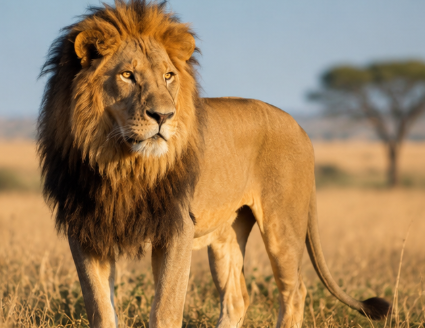
Wild animals are not adopted or cared for by humans, largely because they can be more dangerous compared to domestic animals. These animals independently arrange their own food, water, and shelter. Wild animals live in forests, oceans, deserts, and mountains, relying entirely on nature to survive.
Some well-known wild animals include:
- Lion
- Tiger
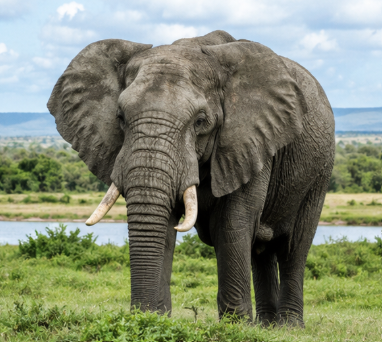
- Elephant
- Bear
- Deer
- Wolf

Along with many other species, these animals play a significant role in balancing the ecosystem. Wild animals help keep nature healthy and stable, and they naturally regulate the population of other species. They also help protect their environment — and, in turn, ours — while offering valuable insight into both animal behavior and the natural world.
How Wild Animals Survive
Wild animals live independently of humans, surviving without any outside help. For example, predators like tigers and lions hunt weaker animals, such as deer, to obtain food. Through this natural process, they help maintain balance within the ecosystem. It is important that we protect wild animals and avoid harming them, as doing so can disturb this delicate balance. Unfortunately, some people illegally hunt wild animals for their skin, which is used to make items like belts and jackets.
Key Differences Between Wild and Domestic Animals
The main difference between Wild and Domestic animals the two lies in their relationship with humans. Domestic animals are loved and cared for by people, while wild animals are generally avoided — and often feared — by humans. Domestic animals are easier to train and adapt quickly to human environments, whereas wild animals are much harder to train and take significantly longer to adjust, if they can adjust at all. Wild animals also face serious threats from humans, including illegal hunting and poaching.
Why We Should Protect Both
Both wild and domestic animals play a vital role in keeping our environment healthy and balanced. Protecting them is not only beneficial for the animals themselves but also essential for the wellbeing of our planet and future generations. We must take responsibility for their protection and actively stay away from illegal activities that cause them harm. Domestic animals should be protected because they depend on humans for food, shelter, and care. They provide companionship, help in farming, and support many livelihoods. Protecting them prevents cruelty, promotes kindness, and keeps communities healthy. By treating domestic animals with respect and ensuring their well-being, we create a more caring and responsible society.
Visit my website for more knowledge blogs https://animalzone.in/ and https://askshashanksir.com/
