

Nature’s creations are magnificent when viewed from the animal kingdom’s perspective. Animals face immense challenges while living in diverse regions across the globe — some in oceans, others in forests and mountains, and some in freezing cold or scorching deserts. No matter where they live, all animals share the same basic challenges: finding food, staying safe from predators, and enduring the hardships of their surroundings. To meet these challenges, animals have developed a remarkable range of survival skills and animal survival skills is also very attractive.
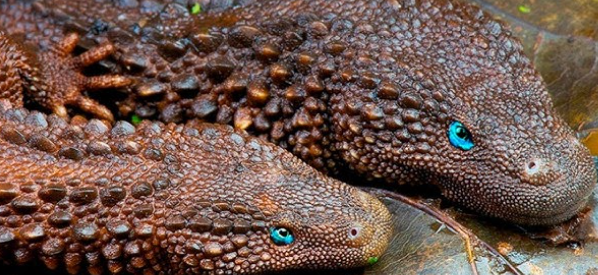
Physical Adaptations for Survival
Camouflage
One of the most fascinating survival skills animals have developed is camouflage. By blending into their environment, animals become difficult for predators — or prey — to spot. A leaf insect can look just like a leaf, while a stick insect can pass for a twig. This ability not only helps them hide from danger but also lets them ambush unsuspecting prey . This is a basic and also tough animal survival skills.
Speed
Speed is another critical survival skill. Fast animals live to see another day because of how quickly they can move. Cheetahs, the speed champions of the animal kingdom, rely on their pace to catch prey, while deer and rabbits use their speed to outrun predators. In the wild, survival often comes down to who is fastest.
Strength
Strength plays a major role in survival as well. Lions, tigers, and bears rely on powerful bodies, sharp claws, and strong teeth to hunt and defend themselves. But strength isn’t always about size — ants, though tiny, can lift objects many times their own body weight. Every creature is built with the strength it needs to survive its own environment. Strength is very important for animal survival skills .
Poison and Venom
Some animals rely on poison or venom for survival. Cobras use venom to subdue their prey, while scorpions use their sting for self-defense. Poison dart frogs are strikingly colorful, but those colors serve as a warning — predators quickly learn that touching them comes at a cost.
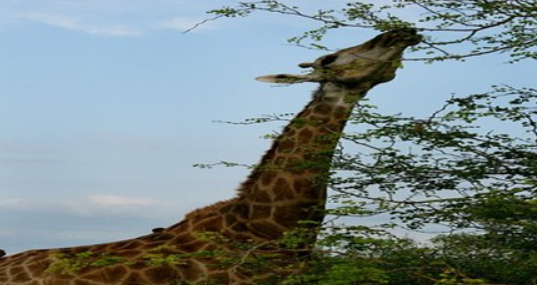
Behavioral Adaptations
Working Together
Many animals survive by cooperating with one another. Wolves hunt in packs, allowing them to take down larger prey than they could alone. Elephant herds rely on older members to protect and guide the young. Fish swim in schools, making it harder for predators to target a single individual. Bees and ants live in colonies where each member has a specific role. Cooperation, in many forms, is a powerful survival strategy. Together working helps in animal survival skills .
Special Senses
Heightened senses give many animals a survival edge. Eagles can spot prey from great distances, while dogs use their exceptional sense of smell to track scents over long ranges — a skill that also makes them invaluable in search-and-rescue operations. Bats use echolocation, releasing sound waves that bounce off objects to reveal their location, allowing them to hunt insects and navigate in total darkness. Senses plays a big role in animal survival skills .
Migration
Migration is another remarkable survival skill. Every year, many bird species travel thousands of kilometers to follow good weather and find food — a long and demanding journey. Salmon undertake their own incredible migration, swimming great distances to return to the exact rivers where they were born in order to lay their eggs. Both accomplish these feats without the aid of maps or compasses.
Hibernation
Hibernation allows animals to survive harsh seasonal changes by conserving energy through long periods of sleep and slowed body function. Before winter arrives, hibernating animals eat heavily to build up fat reserves. Bears, bats, and hedgehogs are among the animals that hibernate through the cold months.
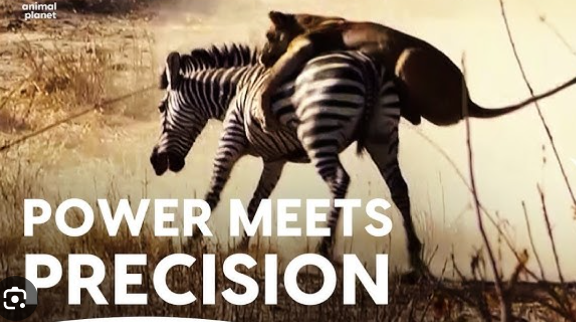
Environmental Adaptations
Desert Survival
Animals living in the desert have evolved special adaptations to cope with dry, sandy, and extreme conditions. Camels, for instance, can travel for days without water. Desert foxes have large ears that help release excess body heat, while many desert animals become nocturnal — resting during the scorching daytime heat and becoming active in the cooler night hours.
Ocean Survival
Ocean-dwelling animals face a very different set of challenges. Sharks and whales have a highly developed sense of smell and can migrate long distances in search of food. Octopuses can change their color and texture to blend into their surroundings and release clouds of ink to confuse predators and escape danger — just two examples of the many adaptations marine animals use to survive in a vast and complex environment.
Arctic Survival
The Arctic is one of the harshest regions on Earth, yet it’s home to many well-adapted animals. Polar bears rely on thick fur and a heavy layer of insulating fat to stay warm, while Arctic foxes grow extra-thick fur for added protection against the cold. These adaptations make survival possible even in extreme conditions.
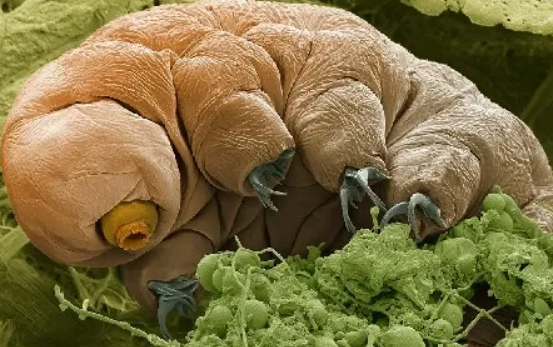
Intelligence as a Survival Tool
Intelligence is an often-underestimated survival adaptation. Crows use sticks as tools to retrieve food, dolphins communicate and work together during hunts, and chimpanzees use tools to solve problems — proof that brainpower can be just as valuable for survival as physical ability.
Modern Threats to Wildlife
Human activity poses growing challenges for wildlife. Deforestation leaves animals without homes, pollution poisons rivers, and rising temperatures make habitats increasingly unbearable. These changes are happening so quickly that even the most adaptable species are struggling to keep up.
Conservation Efforts
Given the current state of wildlife, conservation has become a global priority. National parks, wildlife sanctuaries, and conservation programs all work to protect safe habitats for the planet’s animals. Raising awareness and taking simple actions, like planting trees, can make a real difference in keeping wildlife populations safe from extinction.
Conclusion
There is so much we can learn from the incredible variety of survival skills animals possess. Each species is uniquely designed to adapt to its environment — some rely on speed, others on strength, and many on cleverness, cooperation, and camouflage. As we come to appreciate the sheer diversity of these survival strategies, we’re reminded of the respect, appreciation, and protection we owe to the animal kingdom.
For more informational blogs view my website https://animalzone.in/ and https://askshashanksir.com/
