

Dogs are one of the most faithful and friendly animals. Dogs are wonderful companions who depend on humans for love, food, and care. They cannot tell us when they are sick, so it is our responsibility to notice the signs of dogs disease and provide timely treatment. By maintaining cleanliness, giving healthy food, ensuring regular exercise, following the vaccination schedule, and visiting the veterinarian when needed, we can protect dogs from many diseases. A healthy dog lives a longer, happier life and continues to bring joy and happiness to its family.
They are loved by people all over the world because they are loyal, intelligent, and caring. Many families keep dogs as pets because they provide companionship and also protect the house. Like human beings, dogs can also suffer from different diseases. Some diseases are mild and can be treated easily, while others are serious and may even become life-threatening. Therefore, every dog owner should know about common dog diseases and the ways to prevent them.
Why Do Dogs Become Sick?
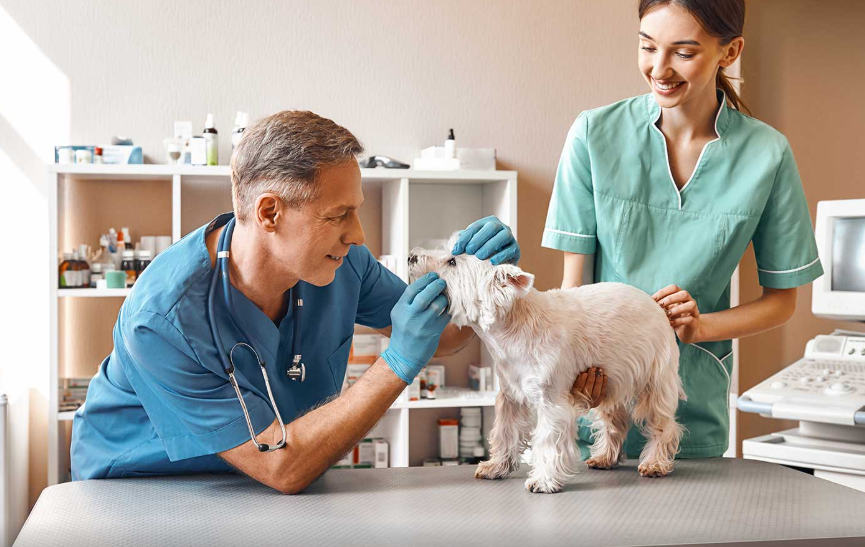
There are many reasons why dogs become sick. They may catch infections from viruses, bacteria, fungi, or parasites. Sometimes poor-quality food, dirty water, lack of cleanliness, or an unhealthy environment can also make a dog ill. A dog that does not get enough exercise or proper care may become weak and more likely to suffer from diseases.
Common Diseases in Dogs
Rabies
One of the most dangerous diseases in dogs is rabies. It is caused by a virus and spreads through the bite of an infected animal. A dog suffering from rabies may become aggressive, restless, and may have difficulty swallowing food or water. This disease is very dangerous because it can spread to humans. Once the symptoms appear, it is almost impossible to cure. However, regular vaccination can protect dogs from rabies.
Parvovirus Infection
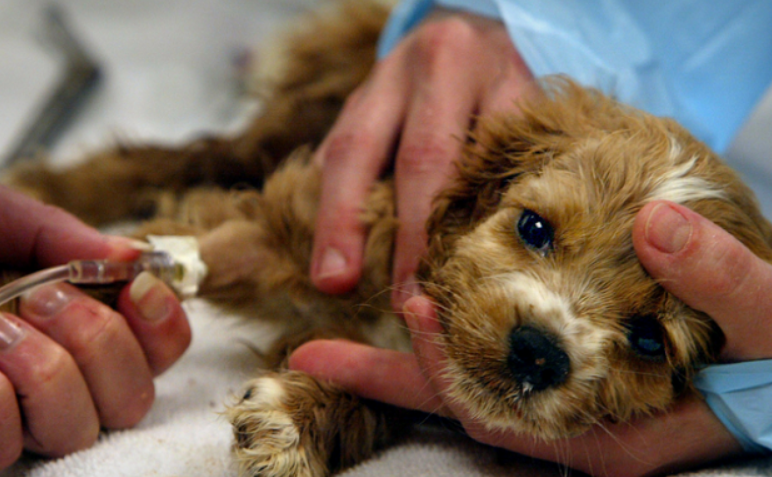
Another common disease is parvovirus infection. This disease mainly affects puppies because their immune system is not fully developed. The virus spreads quickly from one dog to another. The infected dog may suffer from vomiting, diarrhea, fever, weakness, and loss of appetite. If treatment is not started on time, the dog may become severely dehydrated. Vaccination is the best way to prevent this disease.
Skin Diseases
Skin diseases are also very common in dogs. Fleas, ticks, mites, allergies, and fungal infections can cause itching, redness, rashes, and hair loss. Dogs with skin problems usually scratch themselves continuously, which may make the condition worse. Regular bathing, brushing, and keeping the dog’s sleeping place clean help reduce the risk of skin infections.
Worm Infections
Dogs can also suffer from worm infections. Worms live inside the dog’s stomach or intestines and take away nutrients from the food it eats. As a result, the dog may lose weight, become weak, and suffer from stomach problems. Puppies are more likely to get worm infections. Giving deworming medicine regularly and providing clean food and water help keep dogs safe from these parasites.
Ear Infections
Ear infections are another common health problem. They are often caused by bacteria, fungi, dirt, or moisture inside the ears. A dogs disease with an ear infection may shake its head, scratch its ears frequently, or produce a bad smell from the ears. Cleaning the ears carefully and checking them regularly can help prevent infections.
Dental Diseases
Dental dogs disease are often ignored by many pet owners. Food particles can remain between the teeth and lead to plaque, gum disease, and bad breath. If dental problems are not treated, the dog may find it difficult to eat. Brushing the dog’s teeth regularly and giving safe chew toys help maintain good dental health.
Prevention: Nutrition, Exercise, and Vaccination
Proper nutrition is one of the most important factors in keeping a dog healthy. Dogs need a balanced diet that contains proteins, vitamins, minerals, and enough clean drinking water. Feeding stale or unhealthy food can cause digestive problems and other illnesses. Regular exercise is also necessary because it keeps the dog’s body fit and improves its overall health.
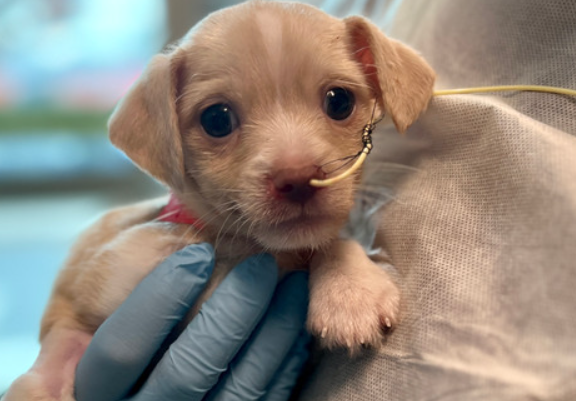
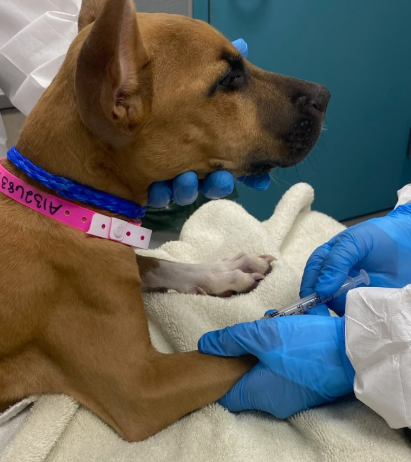
Vaccination and regular health check-ups play a very important role in preventing dogs disease. Puppies should receive all their vaccines at the right age, and adult dogs should also receive booster doses as recommended by the veterinarian. Routine medical check-ups help identify health problems before they become serious.
Recognizing the Signs of Illness
A responsible dog owner should always observe the dog’s behaviour. If the dog suddenly stops eating, becomes weak, vomits, has diarrhea, coughs, or behaves differently than usual, it may be a sign of illness. In such situations, the dog should be taken to a veterinarian without delay. Early diagnosis and treatment increase the chances of recovery.
Visit my website for more knowledge https://animalzone.in/ and https://askshashanksir.com/
